
Morag Williamson






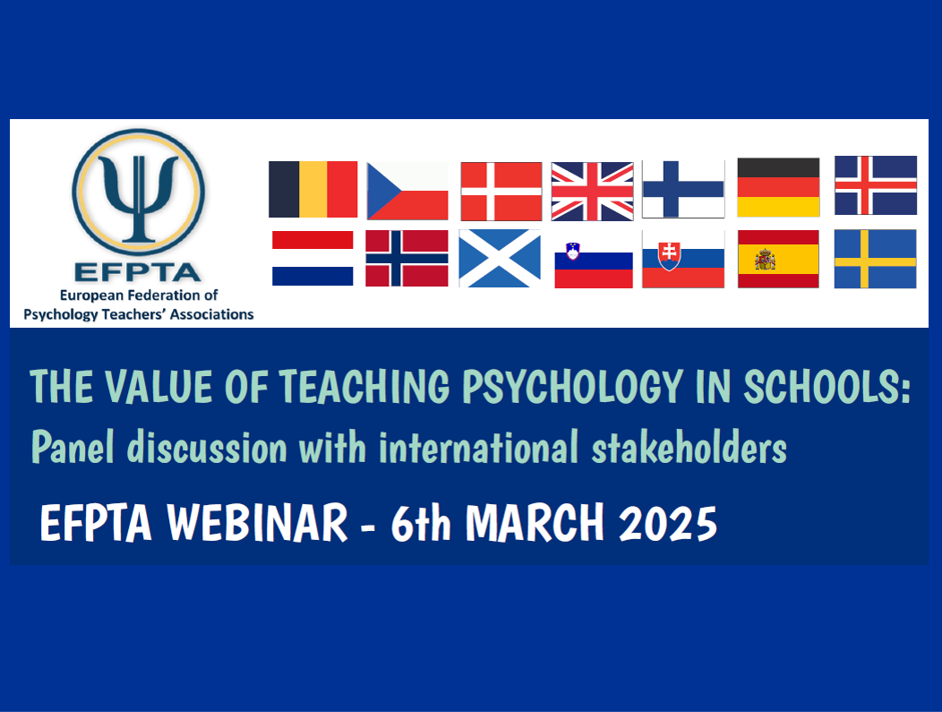
EFPTA webinar on 6 March 2025 on “The Value of Teaching Psychology in Schools”

This online event saw a high level of international participation, by psychology teachers and students. There were 100 participants, from 26 countries, not just in Europe but around the world, demonstrating the enthusiasm and commitment to psychology education in schools – globally!
Expert panellists from Czechia, Belgium and the UK offered their views on the value of teaching psychology in schools, including: the importance of integrating the subject of psychology into the core school curriculum; the psychological topics that should be taught; the barriers that psychology educators encounter; and how psychological literacy benefits not just students, but schools and society as a whole.
We are indebted to our distinguished panellists:
Kristof Dewaele, Executive director School Community Roeselare, Belgium
Nicky Hayes, author, educator and past President of BPS, UK
Deneal Smith, Headmaster of Bootham School, York, UK
Iva Stuchlíková, President-Elect of ESPLAT, Czechia
Webinar participants played an active part in the event, responding to live questions on the Mentimeter app, and joining in the lively discussion with questions and comments. In the chat, info and links were shared too.
This was EFPTA’s 2025 spring event, and was the latest in our webinar series. Thanks go to the EFPTA webinar organising team: Lenka Sokolová (Slovakia), Harriet Ennis (England), Dominique Warmerdam (The Netherlands), and Machteld Vandecandelaere (Belgium).
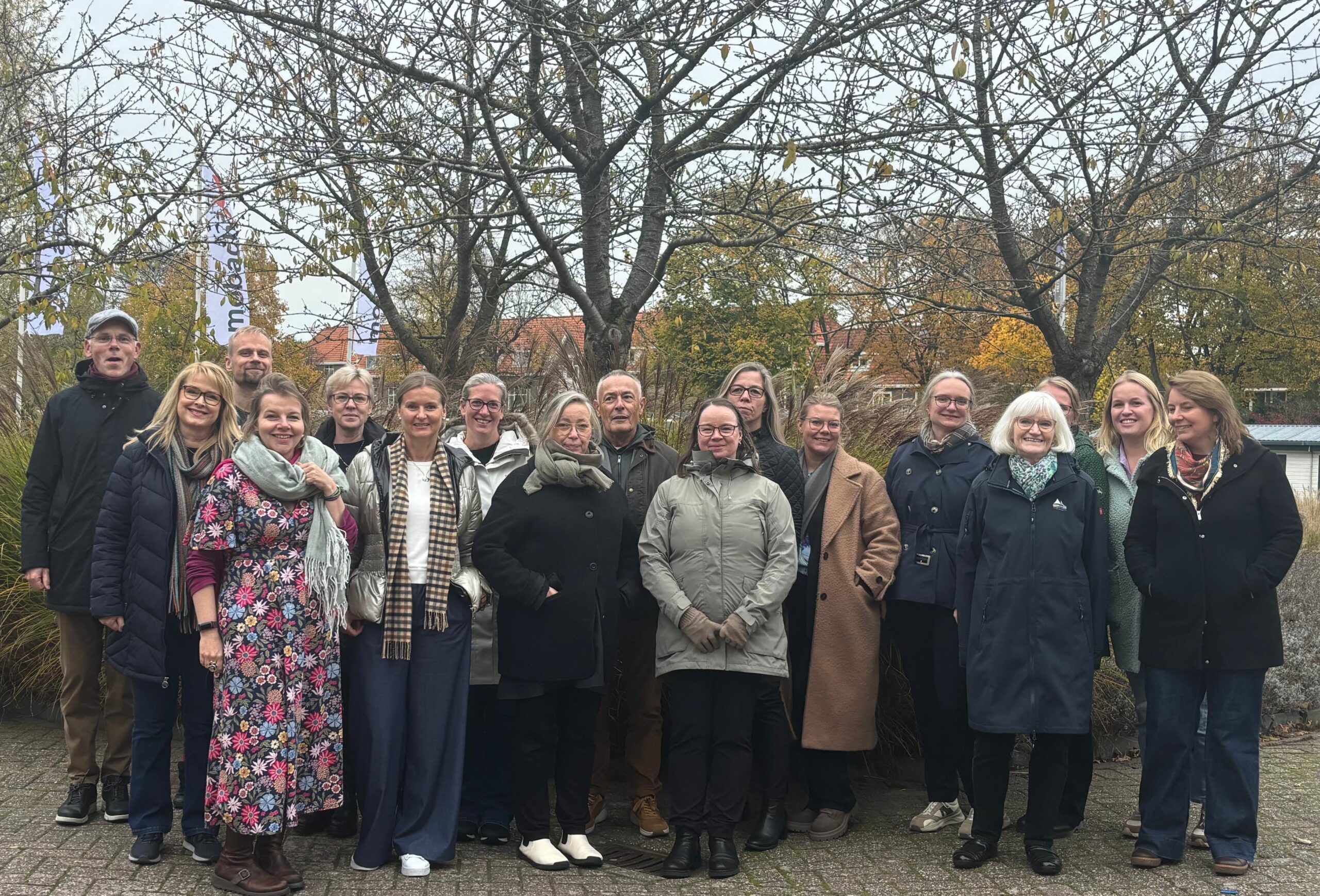
The Autumn 2024 EFPTA Board meeting took place in Utrecht
The EFPTA Board met on 15-16 November 2024 in the beautiful city of Utrecht. We were delighted to be hosted there by our Netherlands representative Dominique Warmerdam. We discussed a very full Agenda, including reviewing our successful Helsinki conference earlier in the year, and our main focus was on planning future events and projects, especially our spring 2025 webinar and our 2026 Conference!
Our visit to Utrecht brought back memories for the Board members who were there in 2019 to present at the inaugural conference of the European Society of Psychology Learning & Teaching (ESPLAT).
It was wonderful that almost all Board members were able to attend in person. We’re completely back to normal after the pandemic and more appreciative than ever of the benefits of working together in person. Dominique, of Psychologie in het Onderwijs, was a wonderful host!
This was ‘just’ a regular meeting for Board members, but don’t forget that any member of a member country association is entitled to attend Board meetings as a guest / observer, by prior arrangement – just get in touch via the Contact page.
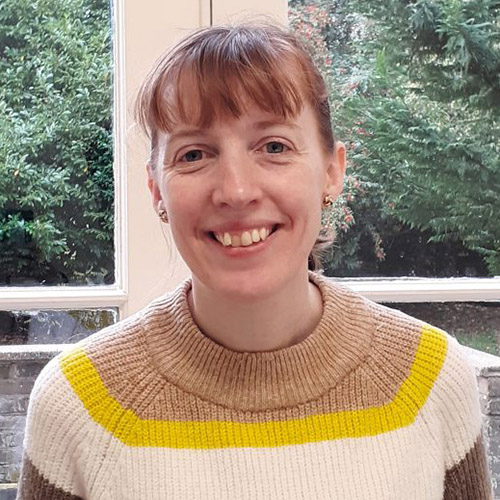
How the psychology teachers’ association and the psychologists’ association support me and my students in the UK
By Lyndsey Hayes
I joined the Association for the Teaching of Psychology (ATP), UK in December 2014 and was honoured to become a Chartered Member of the British Psychological Society (the UK’s national psychologists’ association) in September 2020. My students and I have benefitted from my membership of these communities in many ways:
Firstly, I have formed close friendships and received unconditional support from many psychology teachers across the UK and Europe (including EFPTA members-you know who you are!) since attending my first ATP conference at the University of Lancaster in 2015. This support has been invaluable to me as I have often been working as a psychology department of one! Not only were the ATP conference workshops useful for refreshing my subject knowledge but it is great to mix with like-minded people who are never too busy to answer technical questions on topics, such as ‘how do I help students who are less confident in maths to understand inferential statistics?’
I have also had the rewarding experience of being a member of the ATP committee since July 2023, as well as editing the “ATP Today” magazine in February 2024 – it has been so inspiring to read articles and ideas from other students and teachers about the world of psychology, which I have then explored with my students! This experience has also given my students the unique opportunity to improve their subject skills and university application statement by writing for the ATP magazine!
Secondly, I was honoured to be nominated as ATP Representative on the BPS’ dedicated teaching committee in December 2023. During this time, we have worked together to break down barriers between the university and pre-university teaching communities. For example, the committee launched the Pre-tertiary Education Psychology Teacher of the Year award in October 2023 to celebrate the work of pre-university teachers in schools. Moreover, my colleagues, Deb Gajic and Helene Ansell, who are both former ATP committee members, collated resources from psychology teachers and collaborated with colleagues at the BPS to produce the excellent and popular online resource, called the ‘Teacher’s Toolkit’. (https://shorturl.at/bfsT7 )
The materials are free to access and are intended to be useful whatever specific psychology course students are following. These resources have significantly contributed to my excellent track record of student outcomes and have greatly supported my students in writing effective applications to their chosen universities. They particularly praised the sections on careers and writing personal statements. We have also found the BPS online events such as the “Psychology Careers Festival” and “Meet the psychologist” useful for making their university choices and tailoring their university applications to their chosen courses (in many cases, psychology).
Finally, my students and I have greatly enjoyed discussing ways of using the weekly BPS Research Digest and monthly articles in the BPS magazine, “The Psychologist” to boost their critical thinking skills and marks for longer essays in their final examinations!
EFPTA Conference 2021 Programme Booklet
31-page booklet containing details of the full conference programme, including keynote speakers and workshop presenters, abstracts and links.
Keywords: Daniela Ostatníková | hormones | life skills | privacy information
Working together to develop the psychology curriculum in European schools
Keywords: Cohen et al | Connelly | contestable terrain | European Qualifications Framework (EQF)
Workshop: Developing Critical Thinking Skills in the Psychology Classroom
Keywords: Authenticity | Authority | currency | purpose | refrences